
Audience & intent
Are we giving visitors the experience they expected when they arrived?
CRO Lens
The CRO Lens turns conversion clues into a structured diagnosis by examining audience intent, value, clarity, trust, friction, information sequence and evidence.
The example is illustrative. Real findings are always reviewed in business context.
Select a diagnostic lens
Seven lenses
Are we giving visitors the experience they expected when they arrived?
Is there a strong enough reason to act rather than continue comparing?
Can visitors quickly understand what this is, who it is for and why it matters?
What makes the next step feel uncertain, unsafe or difficult to believe?
What makes the desired action harder than it needs to be?
Does information arrive in the sequence needed for a confident decision?
What do analytics, research, observation and outcomes actually support?
CRO Markup
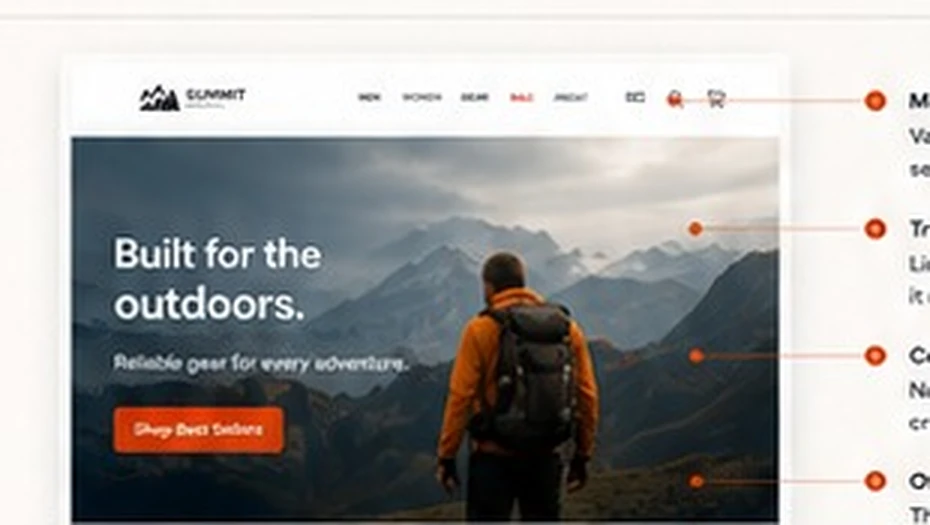
CRO Markup uses restrained notes, brackets, priority labels and evidence references to connect a finding to the exact place where it affects the customer decision. It should look like an experienced strategist reviewing a document, not a collection of decorative arrows.
Context before critique
The same design choice can help one audience and hurt another. CRO PRO begins with the traffic source, awareness, value of the conversion, business model, device context and customer intent before declaring that something is a problem.
See how the Diagnostic uses the Lens →WHAT THE LENS IS LOOKING FOR
The outcomes below came from improving clarity, confidence, friction and decision structure, not decorating pages.
Revenue rose from $12,076 to $15,826 while traffic increased only 8%.
The store moved from 0.2% conversion to above 3%, turning far more of the same traffic into customers.
Plan selection, coverage confidence, the guarantee and mobile signup were reorganized around what customers needed before committing.
Apply the CRO Lens
Have questions? Call or text me at 801-803-1981.
Not sure where to start? Take the Free CRO Fit Check